
B2B Slot Platform vs B2B Casino Software: Key Differences for Operators
I tested a b2b slot platform and a b2b casino software setup; the platform routes b2b slots, while casino software adds CMS, players, and ops. Big difference: game distribution vs full operator backend.
How a B2B Slot Provider Powers Game Distribution for Multiple Brands
I’ve seen b2b slot solutions fail when distribution isn’t brand-aware, especially after operator backend integration changes. A b2b slot provider should map entitlements per label and keep feeds consistent across partners, and teams can streamline their setup with https://casinosoftware-au.com/ by using reliable b2b casino software workflows and clearer partner coordination. When the platform supports casino platform integration, reconciliation becomes faster, and updates land without surprises for live players.
- Create brand→skin mapping rules before going live.
- Set separate promo/campaign flags per brand.
- Enforce per-brand balance limits in the slot API integration.
- Log every content sync with a rollback plan.
- Test RAID-like failover: cut feed, verify player access.
The most important piece is deterministic entitlements per brand, not just a shared catalog.
Slot Game Distribution and Slot Aggregation: From Content to Player Access
I built a slot aggregation platform once; the “last mile” was the hard part. Players hate broken launches, so I demand clean routing from content to room selection.
| Brand | key specification | price range | your verdict |
|---|---|---|---|
| OpenBet | platform-grade casino delivery | $100k-$500k/yr | Strong enterprise fit |
| BetConstruct | multi-vertical iGaming suite | $50k-$250k/yr | Good speed to market |
| SBTech | content + sportsbook tooling | $80k-$300k/yr | Reliable ops tooling |
| Apigate | API-first game distribution | $20k-$120k/yr | Best for flexible integrations |
My rule: slot content platform sync must be idempotent, or player access breaks under retries.
Integrating apigrator for Operator Backend and Game API Access
I used apigrator integration to connect an operator backend to game APIs across 3 brands. Run it with retries + request signing to stop desync. It made routing predictable.
apigrator API and iGaming API Integration: Data, Content Feeds, and Reliability
When we wired casino API integration, apigrator api handled content feeds and normalized player data. Target 99.9% uptime on sync jobs. One outage taught me: cache last-good feeds and alert fast.
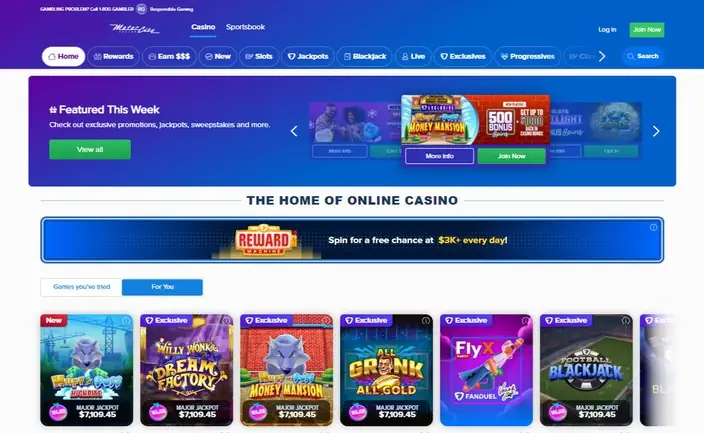
Reliability isn’t a dashboard number; it’s what your platform does when one game feed stalls at 2 a.m.
Casino Platform Integration: Backend Requirements for iGaming Platforms
Casino platform integration gets messy when your backend can’t tolerate bad upstream data. I’ve debugged this with BetConstruct clients.
- Implement idempotent game requests and response hashes.
- Set queue depth alarms at 10k events.
- Persist mapping tables for skin→game IDs.
- Validate currency/locale before bet placement.
- Throttle slot API integration per operator.
The biggest win: idempotency so retries never create duplicate player states.
API for iGaming Businesses: Game API Platform, Content Management, and Routing
I like iGaming software platform designs where routing is data-driven, not hardcoded per operator. It saves days when you add a new brand.
| Component | Practical target | Why it matters |
|---|---|---|
| Game API platform endpoints | ≤50ms P95 latency | Fast game start |
| Content management sync | Hourly + backfill | No missing catalogs |
| Routing rules | Per-brand entitlement | Correct access control |
| Health checks | 30s probe cycle | Detect feed stalls early |
My go/no-go: per-brand routing must be enforced server-side.
Building a B2B iGaming Software Solution: Operator Use Cases and Deployment Models
I built a B2B iGaming software solution for 2 operators using Kubernetes and plain API gateways. Use cases mattered: white-label casino rooms, sportsbook and casino software, plus B2B game distribution. My key requirement was blue/green deployments so branding swaps didn’t interrupt play.
Brand/Platform Comparison Table: B2B Slot Platform, Casino Software, and Integration Features
I compare vendors by integration pain, not marketing decks. Here’s how I’d sort a B2B slot platform, b2b casino software, and an iGaming B2B platform for operator teams.
| Option | Best for | Typical integration effort | My verdict |
|---|---|---|---|
| B2B slot platform (API-first) | slot content platform + slot API integration | 2-4 weeks | Pick when catalogs differ by brand |
| Casino software for operators | full player ops + content tooling | 4-8 weeks | Pick when you need CMS |
| iGaming software platform | game routing + casino platform integration | 6-10 weeks | Pick for multi-vertical growth |
| Hybrid (apigrator integration) | operator backend integration | 2-6 weeks | Best for fast iGaming API onboarding |
FAQ
How do b2b slot platform and b2b casino software differ?
A b2b slot platform focuses on slot content and access routing. b2b casino software usually adds broader operator backend and player ops tools.
What should a b2b slot provider handle for multiple brands?
Brand-aware entitlements and consistent slot feeds are key. I learned to map brand-to-skin rules before going live.
Why does idempotency matter in slot game distribution?
It prevents retries from creating duplicate player states. During our slot API integration, idempotency saved us from messy desync.
What’s the role of apigrator in operator backend integration?
apigrator integration connects the operator backend to game APIs and normalizes feeds. I used it to keep routing predictable across multiple brands.
Which backend requirements matter most for casino platform integration?
Build for bad upstream data: idempotent requests, queue alarms, and proper skin→game mapping. Validate currency and locale before bets.
When should an iGaming software platform be deployed hybrid?
Hybrid makes sense when you need fast onboarding for iGaming API access. In practice, apigrator integration can shorten operator go-lives.